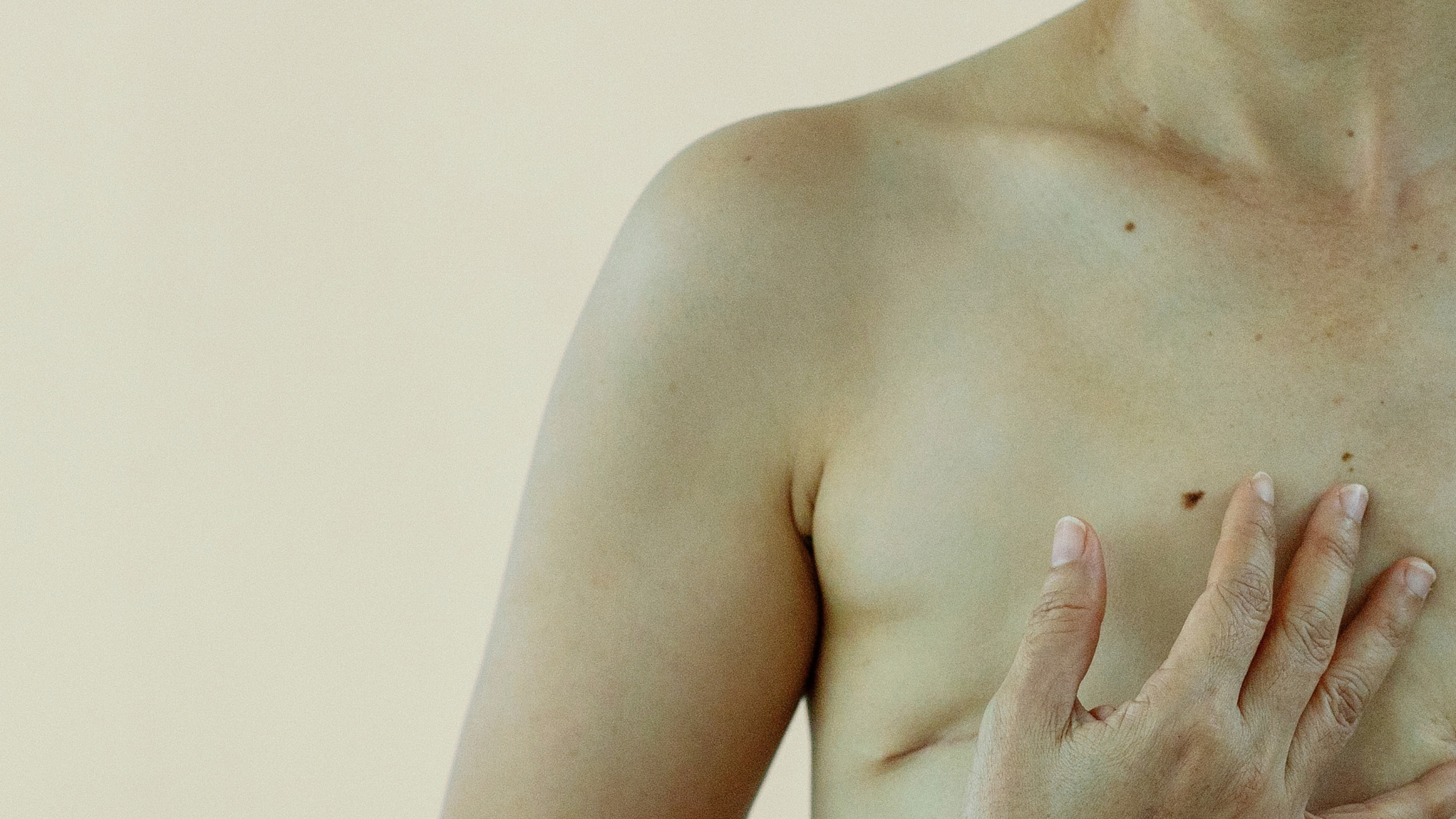
Scar Healing After Breast Surgery
Improve your scar pain, mobility, and appearance after a mastectomy or lumpectomy, whether you are
90-Minute Workshop
Developed by an Oncology Physical Therapist
Your incision may be healed, but your scar still needs support.
After breast surgery, your scar may look healed on the surface while the tissues underneath are still recovering and adapting. Many people receive instructions for caring for their incision—but very little guidance about what happens after the incision closes.
Scar care is part of breast surgery recovery too.
Does any of this sound familiar?
Your scar feels tight, stuck, or pulling when you reach or stretch.
Clothing, shower water, pressure, or touch your scar feels uncomfortable.
You’re not sure when or how to start massaging your scar.
Your incision is healed, but your breast, chest, or underarm still feel uncomfortable.
What You’ll Learn
-
✺
Understand How Your Scar Heals
Learn what is happening beneath the surface, how scar tissue after breast surgery changes over time, and why your scar may feel firm, numb, sensitive, itchy, tight, or restricted.
-
✺
Reduce Scar Sensitivity
Learn a scar desensitization technique to help everyday sensations like clothing, shower water, pressure, and touch gradually feel more comfortable.
-
✺
How to Massage Your Scar
I’ll show you when scar massage may be appropriate, how much pressure to use, and simple techniques to improve your scar mobility and tightness
-
✺
Help Your Scar Move With Your Body
Learn why your shoulder, chest wall, underarm, rib cage, and upper back matter, and how supportive movement can help address pulling and restrictions
What’s Included In The Workshop
On-Demand Video Workshop
A 90-minute evidence-based workshop covering scar healing, sensitivity, massage, mobility, supportive exercises, and scar care after breast surgery.
Step-by-Step Demonstrations
Clear guidance on how and when to perform scar desensitization and massage techniques safely and comfortably.
Printable Scar Care Handout
A practical handout with clear instructions for the scar desensitization and massage techniques taught in the workshop, so you can easily reference both.
Private Community Access
Access to a private workshop community where you can ask questions, get additional support, and connect with others navigating recovery.

Created Specifically for Breast Cancer Recovery
Generic scar advice doesn’t always account for the bigger picture after breast cancer surgery.
You may be recovering from a mastectomy, lumpectomy, reconstruction, sentinel lymph node biopsy, axillary lymph node dissection, radiation therapy, or a combination of treatments.
Scar symptoms can also happen alongside changes in shoulder movement, chest wall mobility, sensation, swelling, or cording.
That context matters.
Hi, I’m Amanda, an Oncology Physical Therapist & Certified Lymphedema Therapist
I created this workshop because so many survivors and previvors are told their incision has healed but are never given clear guidance on how to manage the tightness, sensitivity, pulling, or restricted movement that may remain.
My goal is to help you understand what you’re feeling and give you practical tools to support your recovery with greater confidence.
FAQs
-
Scar massage should only begin once your incision is completely closed and healed, with no open areas, scabs, drainage, or signs of infection, and once your medical team has cleared you to begin. There is no single timeline that is right for everyone. Your surgery, reconstruction, radiation treatment, wound healing, and overall recovery may all affect when you can start scar massage.
-
Engagements range from two weeks for focused audits to several months for comprehensive transformation.
-
Yes, we remain actively involved until solutions are fully operational and staff are confident.
-
Our adaptable methodology serves manufacturing, retail, professional services, and public sector entities.